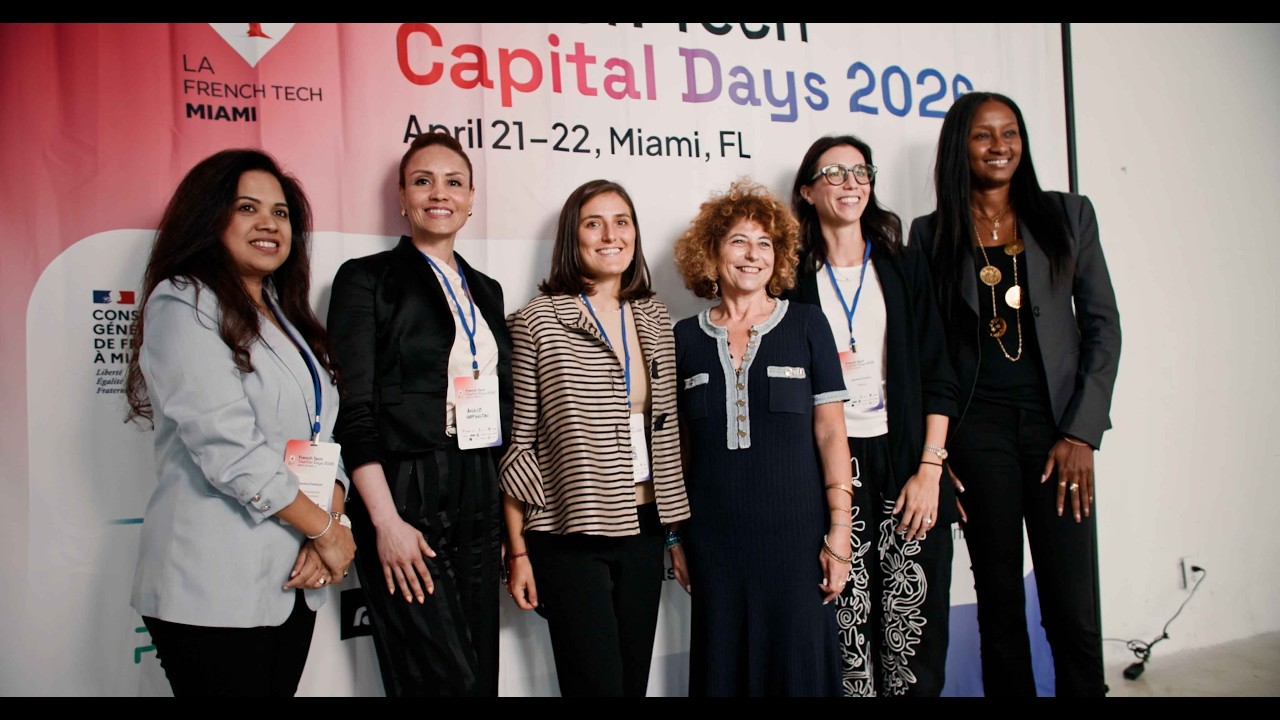
In the US, a single-day event film with one crew runs $5,000 to $8,000. A multi-day conference with two or three crew members, interviews and daily recaps runs $10,000 to $25,000. A flagship summit or brand activation with a full crew, multiple stages and same-day delivery runs $25,000 to $40,000 or more. The recap film is the smallest part of the value: the interviews, speaker clips, testimonials and vertical cutdowns captured on the same days feed a full year of marketing at almost no extra shooting cost. The decision that matters most is made before the event, not after. Studio FLF, with bases in Angers, Paris and Miami, covers events with next year's campaign in mind.
Event coverage is the one category of video where the budget conversation happens in the wrong order. Teams spend nine months and six figures producing the event itself, then look for a videographer three weeks out with whatever is left in the line item. The result is a two-minute recap of a room full of people, delivered a month later, watched by the team that was already there. Here is what event film actually costs in the US, and how to get an asset rather than a souvenir.
How much does event video cost in the US?
Event pricing is driven by three things: how many hours of live action have to be covered, how many cameras are needed to cover them simultaneously, and how fast the edit has to come back. Everything else is secondary.
| Scale of coverage | Budget | What it includes |
|---|---|---|
| Single-day event, one crew | $5,000 to $8,000 | One operator, one shooting day, atmosphere and stage coverage, a 90 second to 2 minute recap film, a vertical cutdown, licensed music and captions. |
| Multi-day conference, two to three crew | $10,000 to $25,000 | Two or three days of coverage, a second camera for stage and audience, six to ten attendee and speaker interviews, a main aftermovie, daily social recaps and individual speaker clips. |
| Flagship summit or brand activation | $25,000 to $40,000 and up | Full crew, multiple stages covered in parallel, dedicated interview set with lighting and sound, drone or specialty shots where permitted, same-day or next-morning delivery, a full library of cutdowns and sponsor deliverables. |
Two variables sit outside these ranges and are worth naming early. Same-day delivery means an editor working on site through the night and typically adds 20 to 30 percent. Travel, per diem and gear shipping for a crew flying in add real cost, which is why a production team with a base near the venue is usually the cheaper option at equal quality.
What should you actually ask for beyond the recap film?
The recap film is what people request and it is rarely what produces the most value. The crew is already in the room, the attendees are already there, and the same days can produce a year of material. Almost nobody asks for it, because the brief was written around a single deliverable.
- Attendee and customer interviews. Your best customers are physically present and in a good mood. Six testimonial interviews shot in one afternoon would cost far more to arrange individually across the year.
- Individual speaker clips. Every speaker becomes a distributor of your event when they get a clean, well edited clip of their own session with your branding on it.
- Vertical cutdowns. Eight to twelve short vertical clips carry the event across social channels for weeks, long after the recap has stopped being shared.
- Next year's sales film. The single most valuable deliverable. A film built specifically to sell tickets, booths or sponsorships for the next edition, cut from footage you already paid to capture.
- Sponsor deliverables. Branded segments that let you show sponsors their visibility, which makes renewal conversations shorter and often justifies the whole budget.
- The raw archive. Ask for the footage. It costs nothing extra at delivery and it means future edits do not require a new shoot.
Nobody watches a recap film twice. But a room full of customers saying why they came is an asset you spend all year using.
When should you book the crew?
Six to eight weeks out is the point where the coverage stops being reactive. Below three weeks, the crew can still film competently, but every decision that raises the value of the footage has already been foreclosed.
- Six to eight weeks out: the brief is written around business objectives, and the film is designed to sell the next edition rather than summarize this one.
- Four weeks out: interview subjects are identified and invited in advance, so the schedule holds instead of chasing people between sessions.
- Two weeks out: the run of show is shared with the crew, positions are agreed with the AV team, and lighting and audio feeds are confirmed with the venue.
- The day before: a walkthrough of the space, a check of the stage feed, and a fixed interview corner with controlled light and sound.
- After the event: recap and social clips within a few days while attention is still live, then the longer sales film once the priority edits are out.
One scheduling detail decides the quality of half your footage: whether you have a dedicated interview corner. Interviews shot in a hallway with ambient noise and mixed lighting are unusable for anything beyond social. A small controlled space, booked in the floor plan like any other room, turns the same interviews into year-round assets.
How does event video pay for itself?
The return on event coverage is unusually easy to measure, because the next edition gives you a direct comparison. Three mechanisms carry most of the value.
- Ticket and booth sales for the next edition. A film that shows a full room, real energy and named attendees converts registrations far better than a photo gallery and a paragraph of copy.
- Sponsor renewal. Showing a sponsor their brand in a well produced film, with visible audience reaction, changes the renewal conversation from a negotiation to a formality.
- Sales enablement across the year. The testimonial interviews shot on site get used in proposals, on landing pages and in outbound campaigns for the following twelve months.
Set against a $15,000 coverage budget, a single retained sponsor or a modest lift in next year's registrations covers the line item outright. That is why organizations running several events a year usually move to a monthly retainer starting at 3,500 euros rather than negotiating each event separately: the crew already knows the format, the brand and the room.
You can scope your event coverage with our project estimator, then talk it through with our production team.