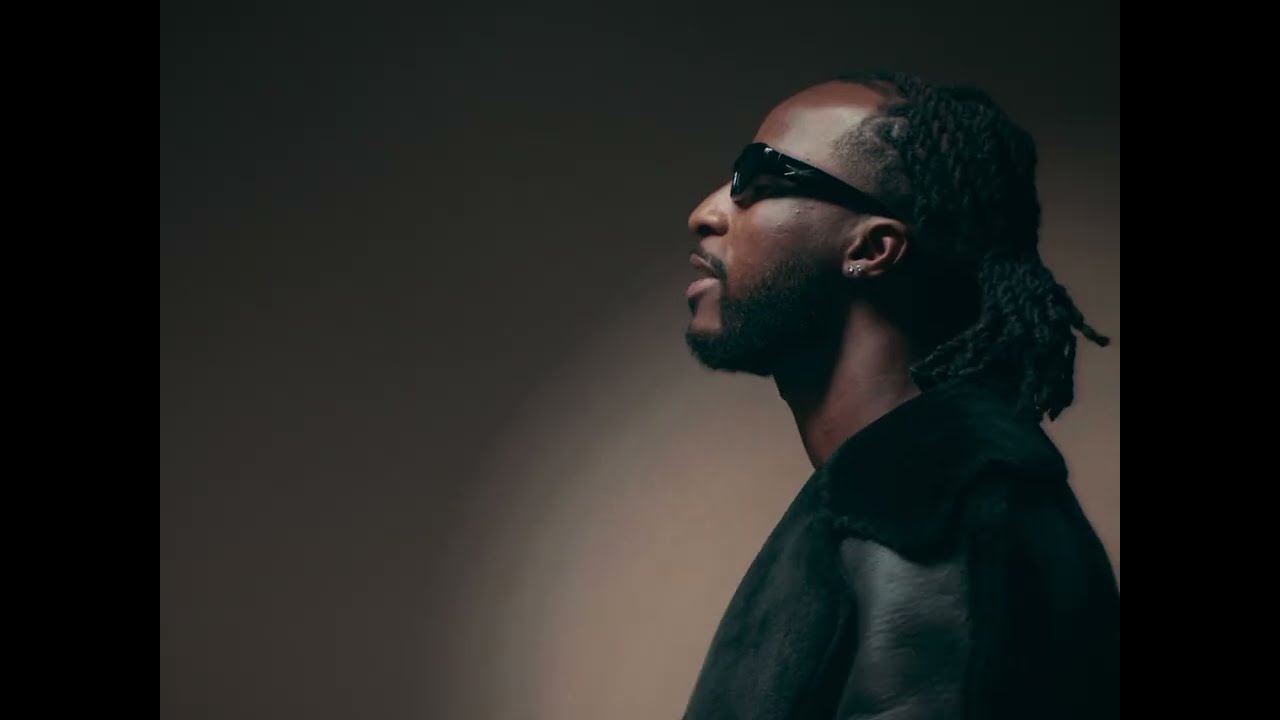
A professional music video starts around 8 000 € and scales with locations, cast, night shoots and the amount of design work in the edit. The money is decided by the treatment, not by the camera: how many setups, how many people on set, how many days. A typical project runs four to seven weeks, with the shoot itself lasting one to two days. Labels usually recoup video costs against artist royalties, so the artist pays either way, which makes the treatment stage the highest leverage moment in the whole project. Studio FLF, working from Angers, Paris and Miami, builds music videos around an idea an artist can own for years rather than a look that dates in a season.
Music videos sit in a strange place. They are the most visible thing an artist produces, and the least understood commercially. Budgets range from a few thousand to several hundred thousand for the same three minute song, and the difference is rarely the equipment. Here is how the process actually works, what drives the cost, and where artists and labels lose money without gaining anything on screen.
What does a music video actually cost?
A professional music video starts around 8 000 € and moves up quickly with ambition. The variable is not the camera, which barely changes the invoice. It is the number of people standing on a set and the number of days they stand there.
- Locations: one controlled location is manageable, three locations in a day means travel, permits and lost hours.
- Cast and extras: every additional person on screen adds casting, wardrobe, catering and coordination.
- Night and exterior work: night shoots require lighting packages and crew that daylight does not.
- Post production design: colour grading is standard, but heavy visual effects or animation can exceed the shoot cost.
- Performance days: performance to camera is fast, narrative with actors is not.
The useful question is never how much a music video costs in general. It is what the specific idea in the treatment requires, which is why the treatment is where the budget is really written.
Who pays for a music video, the artist or the label?
In most label deals the label advances the cost and recoups it against the artist's royalties. That advance is not a gift, it is a loan against future earnings. An independent artist funding a video directly pays the same money without the recoupment structure, and keeps more control over the result.
This changes how the decision should be made. Whether the money comes from a label advance or an artist's own account, it comes out of the artist's future either way. It is worth spending on an idea that stays usable for years across a campaign rather than on a single expensive look that dates within a season.
A budget does not make a music video memorable. A single idea, executed with conviction, does.
How does the process run from treatment to delivery?
A music video project typically runs four to seven weeks. The shoot occupies one to two days of that, and everything else is preparation and post production.
- Treatment: the director writes the visual concept, the world and the narrative arc. This is the document everyone signs off on, and the only moment where changes are free.
- Preproduction: locations, casting, wardrobe, permits, schedule, crew. Usually two to three weeks.
- Shoot: one to two days, driven by a shot list built backwards from the edit.
- Edit and grade: two to three weeks including revisions, with colour grading defining the final identity of the piece.
- Delivery: the main video plus vertical cuts, teasers and stills for the release campaign.
Asking for the campaign assets at the start rather than after delivery costs nothing. Asking for them three weeks later means going back into a locked project.
What makes a music video work for an artist's career?
The videos that pay for themselves are not the most expensive ones. They are the ones that establish a visual identity an artist can build on. A recognisable world, a consistent colour language and a point of view make the next three releases cheaper and stronger, because the audience already knows what this artist looks like.
The opposite pattern is common and costly: chasing whatever aesthetic is trending, producing a video that looks like everyone else's, and starting from zero again at the next single. Choosing a director whose work already shares your sensibility matters more than the size of the quote. Our guide on how to choose a video production company covers what to look for beyond the reel.
What should you prepare before commissioning a video?
Directors give sharper treatments when the brief is honest. Before the first call, our production team wants three things from an artist or a label.
- The final master of the track, not a rough mix, since editing follows the actual arrangement.
- The release plan: date, territories, platforms and what the campaign around the video looks like.
- The real budget, including post production. A treatment written for a budget that does not exist wastes everyone's time.
You can frame the scope of your project with our project estimator, then discuss the treatment with our production team.