The Miami playbook for athlete brand storytelling
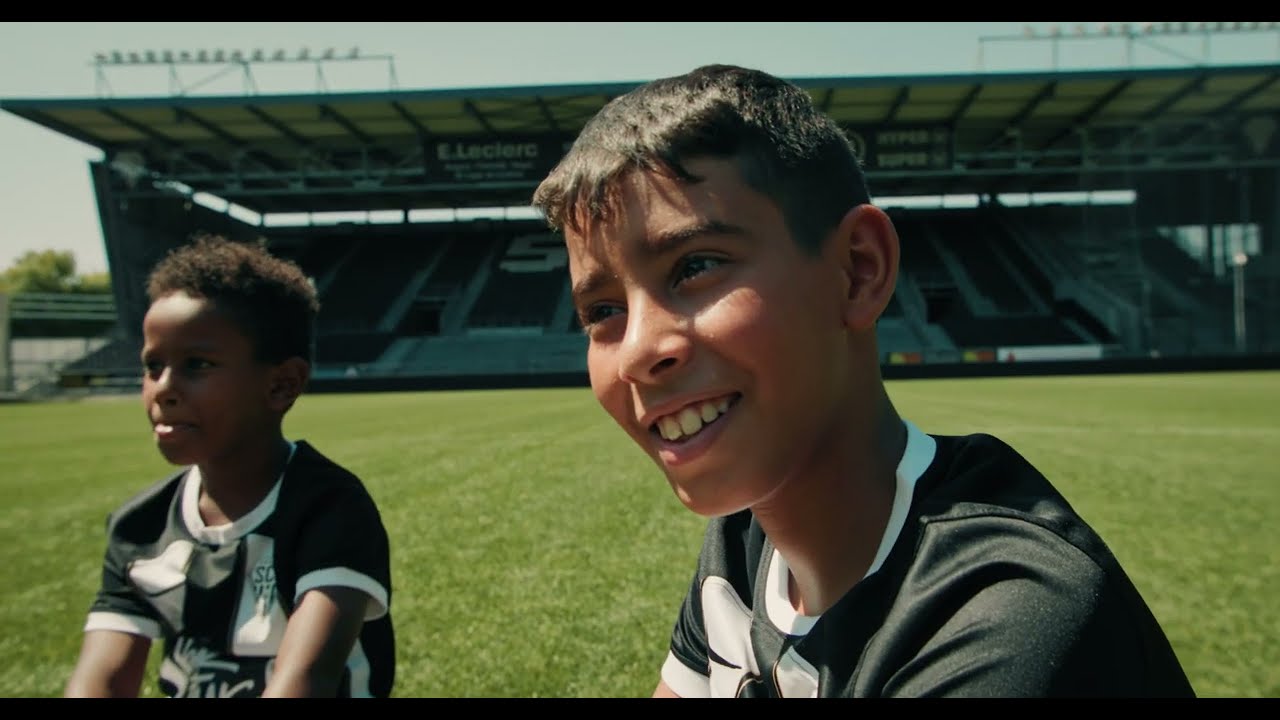
The most successful athletes of the next decade won't be defined by their highlight reels. They'll be defined by their stories · told cinematically. Miami has become the laboratory for this new athlete brand language.
Beyond the highlight reel
Highlight reels show what an athlete does. Brand films show who they are. The shift is fundamental: from performance content to identity content. The latter builds long-term commercial value, the former expires within a season.
The Time to Create approach
A multi-day immersion with the athlete: training routines, family life, mentors, struggles, ambitions. The film captures the person behind the performance. Format: 6-9 minutes. Distribution: signature piece + 60s and 90s cuts for social.
Why Miami works
Miami's athletic ecosystem · NBA, NFL, FIFA World Cup 2026, MLS, college sports, combat sports, individual sports · concentrates premium talent. Trilingual production allows reach into LATAM markets where many athletes have strong followings.
Commercial implications
Cinematic brand stories unlock premium sponsorships (luxury brands, hospitality, lifestyle). They also build the athlete's post-career trajectory: ownership in brands, board positions, broadcasting. The film is an asset, not a piece of content.
The collaboration model
Most successful athlete brand films are co-produced: the studio brings creative direction and production capability, the athlete brings access and authenticity. Revenue and distribution rights are often shared in modern arrangements.